Thursday, March 26, 2026

The Brain of the Smart Building: Building Automation System Integrators

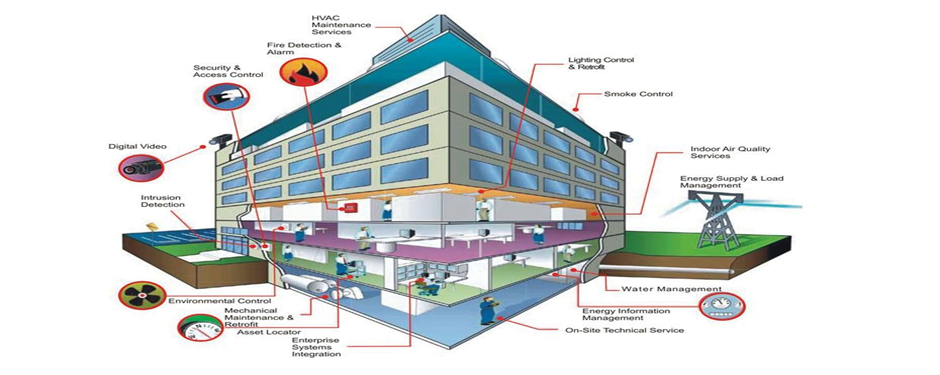
 In the modern landscape of Ahmedabad’s real estate and industrial sectors, a building is no longer just a physical structure. It is a living, breathing entity that needs to think, react, and optimize itself. This transformation is made possible by Building Automation System (BAS) Integrators.

At Cyber Info, we specialize in being the "architects of intelligence." We take disparate systems—HVAC, lighting, security, and power—and weave them into a single, cohesive digital fabric.

Section image

A Building Automation System (BAS) is a centralized network of hardware and software that monitors and controls a building's facility systems. However, the hardware alone isn't enough. An integrator is the expert who ensures that your Schneider HVAC system "talks" to your Honeywell fire alarm and your Lutron lighting.

Aspirating Smoke Detection (ASD): Early Fire Warning Systems


In industrial and commercial buildings, Aspirating Smoke Detection (ASD) systems are increasingly favored for their early warning capabilities. Unlike ordinary point smoke detectors, ASD uses a network of small perforated pipes to continuously sample air from the protected area. A powerful fan (aspirator) actively draws air through these pipes into a central detector module, which uses a highly sensitive optical (laser or LED) chamber to analyze the sample for smoke particles. In practice, this means ASD can detect the very first signs of smoldering combustion – often before any smoke is visible – by sensing minute particles. When smoke levels exceed a set threshold, the ASD panel issues an alarm (often with two levels: an early alert and a full alarm) to give building operators precious extra seconds to respond.

How does ASD work? Simply put, pipes are laid out under the ceiling or around machinery, with sampling holes spaced much like conventional detectors (typically covering ~900 sq ft per hole, similar to 30-foot spacing). The aspirator pulls air through these holes at a high flow rate, ensuring even well-ventilated or high-airflow areas (like data center rooms or warehouses) are monitored. Inside the detector, lasers or photodiodes count smoke particles (often down to 0.005% obscuration). Because the system can be tuned for different sensitivity levels, it allows very early detection of smoldering fires while filtering out dust or ambient particles. In short, the ASD module “sniffs” air continuously – an advantage especially in large or complex spaces where smoke might bypass spot detectors.

Read Original Content: Aspirating Smoke Detection (ASD): Early Fire Warning Systems


Sunday, February 22, 2026

Why Hiring Expert Building Automation Integrators Matters in 2026

 Imagine walking into a building that knows you’re there. The lights adjust automatically to your preferred brightness. The temperature settles at a perfect 24°C. The security cameras are silently analysing safety risks, and the fire alarm system is running its own health check in the background.

This isn’t science fiction. This is the standard for modern infrastructure in 2026.

But here is the catch: none of these smart devices work well alone. They need a brain to connect them. That is where Building Automation System come in.

At Cyber Info Electronics Security System PVT. LTD., we don’t just install equipment. We design the “nervous system” of your building. From ELV solutions to complex BMS (Building Management Systems), we make your facility smarter, safer, and more efficient.

What Is a Building Management System (BMS)?

Think of a Building Management System (BMS) as the centralized brain of your facility.

In the past, your CCTV, fire alarms, air conditioning (HVAC), and lighting were all separate islands. If the fire alarm went off, the HVAC didn’t know it needed to shut down to stop spreading smoke. If a security breach happened at the back door, the main lights didn’t know to flash on.

A BMS connects these islands. It allows your Public Address SolutionFire Hydrant SystemNetworking, and Audio-Video solutions to talk to each other.

Why does this matter?

  • Convenience: Control everything from one dashboard.
  • Speed: Systems react instantly to emergencies.
  • Cost: You stop wasting energy on empty rooms.

Read Original Content: Why You Need Expert Building Automation System Integrators in 2026

Thursday, December 11, 2025

Inert Gas Suppression Systems for Critical Spaces: Benefits, Uses & Safety

 When it comes to protecting sensitive environments from fire — such as data centers, control rooms, archives, or laboratories — traditional water-based sprinklers can do more harm than good. That’s where Inert Gas Suppression Systems step in — a modern, eco-friendly, and equipment-safe alternative that extinguishes fire without damaging valuable assets.


What Are Inert Gas Suppression Systems?

An Inert Gas Suppression System is a type of clean agent fire suppression system that uses naturally occurring gases (like nitrogen, argon, or carbon dioxide blends) to extinguish fires by reducing the oxygen concentration in the protected area.

Instead of dousing flames with water or chemicals, the system releases a carefully calculated mixture of inert gases that lower the oxygen level just enough to stop combustion — yet still safe for people to breathe.

These systems are highly effective against fires involving electronics, paper, or flammable liquids — making them ideal for mission-critical facilities.

Read Original Content: Inert Gas Suppression Systems: The Smart Way to Protect Critical Spaces


Wednesday, November 5, 2025

Aspirating Smoke Detection System: The Future of Early Fire Warning

In environments where even the smallest spark can cause catastrophic damage—such as data centers, clean rooms, archives, or manufacturing plants—early fire detection is not just important, it’s critical. One technology leading this front is the Aspirating Smoke Detection (ASD) System, a cutting-edge solution designed to detect smoke long before it becomes visible to the human eye.

Aspirating Smoke Detection System: The Future of Early Fire Warning

What is an Aspirating Smoke Detection System?

An Aspirating Smoke Detection (ASD) system is an advanced form of smoke detection technology that continuously samples air from a protected area through a network of small pipes. The air is drawn into a high-sensitivity laser detection chamber, where it’s analyzed for the presence of minute smoke particles.

Unlike traditional spot-type smoke detectors that rely on smoke physically reaching the sensor head, ASD systems actively draw air toward the detector, enabling earlier and more reliable detection.

How It Works

  1. Air Sampling Network:
    A network of small, strategically placed pipes runs throughout the monitored area. These pipes have tiny, evenly spaced sampling holes.

  2. Aspirator (Air Pump):
    The system uses an aspirator to pull air from the environment into the detection chamber continuously.

  3. Detection Unit:
    Inside the detection unit, the air is analyzed using laser or optical sensors that can identify extremely small concentrations of smoke particles.

  4. Alarm and Notification:
    When smoke is detected, the system generates alerts at different thresholds—ranging from “pre-alarm” for early warning to “fire alarm” for confirmed incidents. These alerts are typically integrated with building management or fire alarm systems.

Key Benefits of ASD Systems

  • Ultra-Early Detection:
    ASD systems can detect smoke at the incipient (pre-combustion) stage, giving occupants and facility managers valuable time to respond before a fire escalates.

  • High Sensitivity:
    Some systems can detect smoke concentrations as low as 0.001% obscuration per meter, making them suitable for critical environments.

  • Wide Coverage & Flexibility:
    A single ASD unit can monitor large or complex spaces that would otherwise require multiple conventional detectors.

  • Low Maintenance & Hidden Installation:
    With pipes installed discreetly within ceilings or walls, ASD systems maintain a clean aesthetic—ideal for museums, data centers, and luxury spaces.

  • Reliable in Harsh Environments:
    Unlike conventional detectors that may fail in dusty, dirty, or high-airflow areas, ASD systems can filter and process air to minimize false alarms.

Applications of Aspirating Smoke Detection

  • Data Centers & Server Rooms – where downtime from fire can cost millions.

  • Warehouses & Cold Storage – where temperature and airflow can hinder normal detectors.

  • Clean Rooms & Laboratories – where contamination and early intervention are crucial.

  • Museums, Libraries, and Archives – where valuable assets require subtle, non-intrusive protection.

  • Transportation Hubs & Tunnels – for large, open, and hard-to-reach spaces.

Installation and Maintenance Considerations

Installing an ASD system requires careful design and airflow analysis to ensure effective coverage. The sampling pipe network must be optimized for the environment, with regular calibration to maintain sensitivity. Periodic maintenance—such as filter cleaning and system testing—is necessary, though less frequent than conventional detectors due to the system’s robust design.

Why Businesses Are Adopting ASD Systems

The increasing focus on business continuity, safety compliance, and asset protection has driven organizations to adopt ASD solutions. As industries move toward smart building ecosystems, ASD systems integrate seamlessly with IoT-based monitoring and centralized fire alarm management platforms, providing real-time data, analytics, and remote control.

In essence, an Aspirating Smoke Detection System isn’t just a safety tool—it’s a strategic investment in resilience.

FAQs on Aspirating Smoke Detection Systems

1. What makes ASD different from traditional smoke detectors?

ASD systems actively draw air to the detector through a pipe network, enabling much faster detection of smoke—even before it becomes visible. Traditional detectors rely on smoke naturally drifting to them, which takes longer.

2. Can ASD systems work in dusty or dirty environments?

Yes. ASD systems include air filtration and configurable sensitivity settings that minimize false alarms, making them effective in harsh or industrial environments.

3. How often should ASD systems be maintained?

Typically, ASD systems require maintenance once or twice a year, depending on environmental conditions and manufacturer recommendations. Regular inspection of filters and calibration ensures consistent performance.

4. Are ASD systems suitable for large or open spaces?

Absolutely. Because the system can monitor air from multiple sampling points, it’s ideal for warehouses, hangars, and other large facilities where traditional detectors would be less effective.

5. What are some leading brands of ASD systems?

Leading manufacturers include VESDA (by Xtralis), Siemens, Honeywell, and Securiton, all offering variants designed for different sensitivities and applications.

Tuesday, November 4, 2025

Automatic Flap Barrier: The Smart Way to Manage Modern Access Control

In today’s fast-paced world, where security and efficiency go hand in hand, Automatic Flap Barriers have become an essential part of access management systems. From corporate offices and metro stations to airports and IT parks, these smart gates ensure seamless, secure, and convenient movement of people. But what exactly makes them so vital to modern infrastructure? Let’s explore.

What is an Automatic Flap Barrier?

An Automatic Flap Barrier is a motorized access control gate designed to regulate pedestrian movement at entry and exit points. It consists of a pair of flaps—usually made of toughened glass or acrylic—that open or retract automatically when a valid authentication signal (such as RFID, biometric, QR code, or access card) is received.

These barriers are often integrated with security systems, attendance software, or ticketing systems to ensure only authorized individuals gain access.

Automatic Flap Barrier: The Smart Way to Manage Modern Access Control

How Does an Automatic Flap Barrier Work?

The working mechanism of a flap barrier is both simple and smart:

  1. User Authentication – The person presents an access credential like a smart card, face recognition, fingerprint, or ticket barcode.

  2. Signal Processing – The system verifies the information against its database.

  3. Flap Activation – Once validated, the flaps swiftly open to allow entry. If unauthorized, the flaps remain closed, triggering an alert or alarm.

  4. Auto-Reset Function – The barrier resets automatically after a few seconds or once the person passes through.

This streamlined process ensures both security and speed — a crucial factor in high-traffic environments.

Key Features of Automatic Flap Barriers

  • High-Speed Operation: Allows smooth and fast pedestrian flow, preventing long queues.

  • Advanced Sensor Technology: Detects tailgating and unauthorized access attempts.

  • Durable Build Quality: Stainless steel housing ensures longevity even in outdoor conditions.

  • Customizable Integration: Compatible with various access systems — RFID, biometric, QR, or barcode.

  • Fail-Safe Mechanism: Automatically opens during power failure or emergency to allow free passage.

  • Aesthetic Design: Sleek, modern look that complements corporate and public infrastructure.

Applications of Automatic Flap Barriers

Automatic flap barriers are versatile and used across multiple sectors:

  • Corporate Offices: For employee attendance and restricted access zones.

  • Public Transport Hubs: Metro stations, bus terminals, and airports for ticket validation.

  • Educational Institutions: To monitor student entry and enhance campus security.

  • Government Buildings: Ensures controlled entry for visitors and staff.

  • Smart Buildings & IT Parks: Integrated with IoT and visitor management systems.

Wherever controlled pedestrian flow is necessary, flap barriers play a vital role in enhancing security while maintaining efficiency.

Advantages of Installing Automatic Flap Barriers

  • Improved Security: Prevents unauthorized entry and tailgating.

  • Operational Efficiency: Reduces the need for manual monitoring.

  • Data Tracking: Integrates with digital attendance or access logs for real-time insights.

  • Aesthetic Appeal: Adds a professional, futuristic touch to entrances.

  • User Convenience: Seamless, touch-free operation ensures hygiene and comfort.

Maintenance and Longevity

Modern flap barriers are designed for low maintenance and high durability. Routine checks, timely cleaning, and firmware updates can ensure years of smooth operation. Reputable brands also provide after-sales service, AMC (Annual Maintenance Contracts), and spare part support, making them a reliable long-term investment.

Conclusion

An Automatic Flap Barrier isn’t just a piece of technology—it’s a statement of smart, secure, and efficient infrastructure. As organizations continue to evolve toward digital transformation, these barriers stand at the forefront of intelligent access management, offering the perfect blend of safety, speed, and sophistication.

Frequently Asked Questions (FAQs)

1. What is the difference between a flap barrier and a turnstile?

A flap barrier uses retractable panels (flaps) for access control, whereas a turnstile uses rotating arms. Flap barriers are faster, more aesthetic, and suitable for high-traffic areas.

2. Can flap barriers be integrated with biometric systems?

Yes. Most modern flap barriers are compatible with biometric devices like fingerprint scanners, facial recognition, or iris scanners.

3. Are automatic flap barriers suitable for outdoor use?

Many models are designed with weatherproof stainless steel enclosures, making them suitable for both indoor and outdoor installations.

4. What happens to the barrier during a power failure?

In case of a power outage, the flaps automatically open (fail-safe mode) to allow free passage for safety and evacuation purposes.

5. How do I choose the right flap barrier for my facility?

Consider factors such as footfall volume, integration requirements, space availability, and security level before choosing a model. Consulting a professional access control provider ensures the best fit for your needs.

Friday, October 17, 2025

Wireless Fire Alarm System: The Future of Smarter Fire Safety

In today’s fast-moving world, safety and technology go hand in hand. One of the most significant advancements in building protection and fire prevention is the Wireless Fire Alarm System — a modern alternative to the traditional wired system that is changing the way we secure homes, offices, and industries.


This blog dives into how wireless fire alarm systems work, their advantages, applications, and why they’re rapidly becoming the preferred choice for modern infrastructures.

What is a Wireless Fire Alarm System?

A wireless fire alarm system is an advanced fire detection network that communicates through radio frequency (RF) signals instead of hard-wired connections. These systems consist of wireless smoke detectors, heat sensors, manual call points, and sounders — all linked to a central control panel.

When a fire or smoke is detected, the signal is transmitted wirelessly to alert occupants and activate alarms, ensuring immediate response and evacuation.

How Does It Work?

Wireless fire alarm systems operate on radio communication technology. Each device is powered by long-life batteries and communicates with the control panel through secure frequencies.

Here’s how the process typically works:

  1. Detection – Sensors detect smoke, heat, or a sudden change in temperature.

  2. Signal Transmission – The detection device sends a wireless alert to the control panel.

  3. Alarm Activation – The system triggers sounders, strobe lights, or integrated notifications (SMS, app alerts, etc.).

  4. Emergency Response – The control panel may also communicate with emergency services or fire departments if integrated with monitoring systems.

Key Advantages of Wireless Fire Alarm Systems

1. No Complex Cabling

Unlike wired systems that require extensive electrical wiring, wireless systems minimize installation time, cost, and disruption — ideal for heritage buildings, offices, or renovations.

2. Faster Installation

Wireless systems can be installed up to 60% faster, saving both time and labor costs.

3. Scalability

Need to add more detectors or devices? Simply connect them through the network — no need for new cabling or reconfiguration.

4. Aesthetically Clean

No visible cables or conduits mean a cleaner, more professional look, perfect for modern interiors.

5. Reliable & Secure

With advanced RF technology, encrypted communication, and automatic signal testing, today’s wireless systems offer high reliability and fault-tolerant performance.

6. Battery Backup & Monitoring

Each device has its own battery and low-battery alert system, ensuring uninterrupted safety even during power failures.

Where Are Wireless Fire Alarm Systems Used?

Wireless systems are versatile and suitable for multiple sectors, including:

  • Corporate Offices & IT Parks

  • Hospitals & Healthcare Facilities

  • Educational Institutions

  • Warehouses & Industrial Units

  • Residential Complexes

  • Heritage or Listed Buildings (where wiring is restricted)

Their adaptability makes them a smart investment for both temporary and permanent installations.

The Future of Fire Safety

As IoT (Internet of Things) and smart building technologies evolve, wireless fire alarm systems are becoming part of an integrated ecosystem. Modern systems now connect with mobile apps, building management systems, and cloud platforms — offering real-time alerts, data analytics, and predictive maintenance.

The future lies in intelligent, interconnected safety systems that don’t just respond to emergencies — they prevent them.

FAQs About Wireless Fire Alarm Systems

1. Are wireless fire alarm systems as reliable as wired ones?

Yes. Modern wireless systems use encrypted radio frequencies, automatic signal monitoring, and interference-resistant technology, making them equally — if not more — reliable than wired systems.

2. How long do the batteries last in wireless fire alarm devices?

Typically, batteries last between 3 to 5 years, depending on the brand and usage. Most systems have low-battery alerts and easy replacement processes.

3. Can wireless fire alarms be connected to existing security systems?

Absolutely. Many advanced wireless systems can integrate with CCTV, access control, and building management systems (BMS) for unified safety management.

4. Are wireless fire alarm systems expensive?

While the initial device cost can be higher than wired units, the savings on installation, wiring, and maintenance often make them more cost-effective in the long run.

5. Do they meet safety standards?

Yes. Reputed wireless fire alarm systems are compliant with international safety standards such as EN 54, NFPA, and UL, ensuring reliability and regulatory approval.