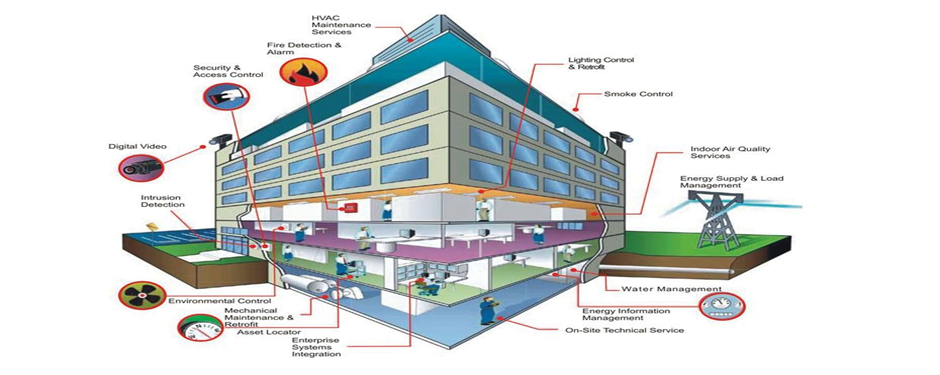
Simply put, a CCTV solutions company is your full-service partner for video surveillance. We don’t just sell cameras; we build complete security systems. Think of us as the “glue” that connects cameras, recorders, network switches, servers, and software into one seamless platform. A good integrator knows both the latest camera technology and how to network it. For example, we can tie CCTV to access control or alarm systems – if a door is forced open, the nearest cameras can automatically focus and record. We also advise on features like 4K resolution, thermal imaging or AI analytics to suit your needs. In short, we handle the end-to-end process: design, procure, install, configure, and support.
Question: “What exactly do CCTV integration services include?” In a nutshell: we plan your surveillance system, install all hardware, network the devices, and make sure it works. We’ll show you how to operate it, and we’ll be there if upgrades or troubleshooting are needed. Our goal is to make security simple – so you focus on business, not on video wiring.

Key Features of Modern CCTV Systems
Not all cameras are created equal. Today’s CCTV solutions use digital technology for crystal-clear video and smart features. Here are some essentials to look for:
High-Definition IP Cameras: Unlike old analog cameras, IP (Internet Protocol) cameras transmit digital video over your network. This means much sharper images (2–8 megapixels or more) and easier integration with NVRs or cloud systems. IP cameras support advanced codecs and often include built-in analytics (like motion zones or facial detection). Because they use the same Ethernet network as IT, you can view footage on any computer or phone.
Power over Ethernet (PoE): PoE cameras get power and data via one Ethernet cable. This greatly simplifies installation – no separate power outlets needed at each camera. Your electrician only runs network cables. PoE also allows centralized UPS backup at the switch, so cameras stay live during power fluctuations. In short, PoE makes the system cleaner and more reliable.
Night Vision & Wide Dynamic Range (WDR): Good CCTV cameras can see in low-light or backlit conditions. Infrared (IR) LEDs let a camera record at night, turning video b/w but still clear. WDR technology balances bright and dark areas (such as a lobby with sunlight and shadows) so no detail is lost. This ensures no blind spots, day or night.
Camera Types: We use different form factors for different needs. Dome cameras are compact and unobtrusive (ideal indoors or ceilings); many are vandal-resistant. Bullet cameras are long-range, great for perimeters and parking lots. PTZ (Pan-Tilt-Zoom) cameras can be controlled to follow action and zoom in on details (useful in wide-area spaces). There are also fisheye cameras for full-room view, and thermal cameras to detect warm objects in total darkness.
Connectivity & Integration: Modern CCTV is networked. All cameras connect to NVRs or servers via LAN/Wi-Fi. This lets you centrally manage hundreds of cameras through software, set multi-location recording, and get mobile alerts. For example, a security guard can see all branch cameras in one interface. Integration also allows alerts: a motion detection in Zone A can trigger a popup on your manager’s phone. Networking also paves the way for AI analytics (we can install cameras that recognize faces or license plates, as Ahmedabad’s AI-surveillance initiative illustrates).
Storage & Backup: Videos can be stored on-site or in the cloud. We set retention based on your needs (e.g. 30 days of footage, per law). Some clients use hybrid setups: local NVRs for speed and cloud backup for redundancy. Either way, data management is part of the solution.
Read Original Blog: What is a CCTV Solutions Company?


%20Early%20Fire%20Warning%20Systems.png)